
Headlines
Supply Chain Woes Multiply for Retail
Sector challenged to meet EU’s DPP requirements and battle counterfeit and fraudulent goods

 Retailers’ supply chains face ongoing as well as growing challenges. Photo illustration: phaisarn2517/iStock by GettyImages
Global supply chains of all sorts are having trouble keeping up with consumer demands for speedy, reliable delivery of goods, thanks to such factors as shifting U.S. tariffs and unpredictable spikes in merchandise demand driven by Tik-Tok and other social-media apps. Those are among the major findings of the new Supply Chain Integrity Outlook 2026 by Impinj, which also unearthed a trio of additional challenge for the retail sector: Looming deadlines for compliance with the European Union’s Digital Product Passport (DPP) and minimizing the risks of counterfeit goods and fraudulent shipping.
On the first concern, nearly early two-thirds (65%) of retail and retail goods supply chain leaders surveyed expressed concern about their ability to meet the EU’s DPP requirements, and nearly one-third (29%) don’t expect to meet the deadline for starting the implementation of such tags starting next year (with full compliance set for 2030).
Counterfeit products also remain a growing issue. More than three-quarters (78%) of retailers and retail goods suppliers say it’s a challenge to stop unauthorized or fake versions of their products from reaching the market, and 71% report damage to brand reputation or revenue as a result. Consumers have low tolerance – 58% say they would stop buying a brand that unknowingly sold them a counterfeit product.
Also on the rise is fraudulent shipping. Seventy-six percent of retailers and retail goods suppliers report an increase in fraudulent shipping incidents, mirroring the 38% of consumers who say they’ve been victims themselves, including receiving the wrong item or never getting a package that was marked as delivered. Six in ten consumers (60%) say one fraudulent shipping experience would cause them to abandon a brand altogether.
Click here to register to receive the complete results of the Impinj survey, which drew responses from 1000 U.S. consumers and 750 U.S. supply chain operators.



A Poetic Recap of 2025 Holiday Shopping

The Vomela Companies Acquires Moss Inc.

The Out of the Jewel Box Experience Returns to the Tucson Scottish Rite Cathedral

Mission + Pillars

The 2024 Shop! Design Awards Winners

Shop! Ideation 2022 Recap (Photo Gallery)

MasterClass – Beyond the Screen: Specialty Retail Media Networks That Transform the In-Store Experience

MasterClass – Designing for Impact: Transforming Visual Merchandising with Display Innovation and AI

MasterClass – Insights into the Journey Towards the Most Sustainable and Effective Promotions in Retail

Bulletin
Sign up for our bulletins now and never miss out on essential industry news, updates and compelling retail inspiration!
-

 Headlines1 week ago
Last-Minute Shopping: A Holiday Tradition Persists
-

 Headlines2 weeks ago
Super Saturday Looks to Live Up to Name
-

 Headlines1 week ago
Hot Markets for Inbound Moves
-
 Headlines1 week ago
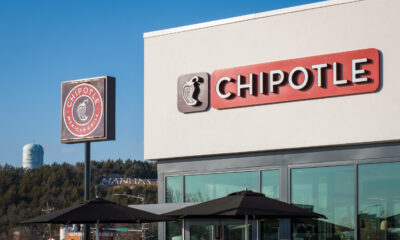
Opening Milestones: Restaurant and Store Chains
-

 Headlines2 weeks ago
Forecast Roundup: 4 Looks at 2026
-

 Headlines2 weeks ago
The Awakening of a Once-Sleepy Shopping Center
-

 Shop! Press Releases1 week ago
The Shop! Association Announces New Members to the Board of Directors
-

 Headlines1 week ago
Being Bought: California Pizza Kitchen, Paul Stuart