
Headlines
‘Ozempic Effect’ Hits Clothing-Reseller Racks
Weight-loss drug boom funneling more plus-size apparel to resale market

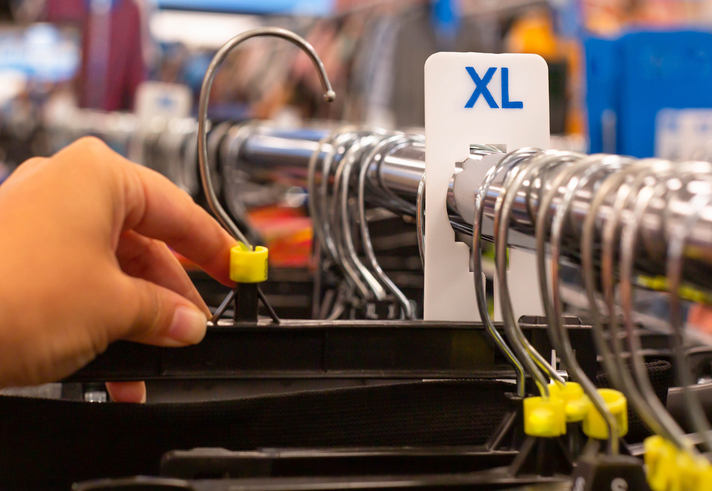 The growing use of weight-loss drugs means clothing resellers are seeing a surge in submissions of plus-sized clothing. Photo: globalmoments/iStock by Getty Images
Clothing resellers across the country say more and more plus-sized apparel is being turned into their shops by people on weight-loss drugs, CNBC reports. But thus far, the move away from larger-size clothing isn’t apparent when it comes to the production and sale of new apparel, the news service noted.
From the resellers point of view, “We always wanted the larger sizes because they were popular — the minute you got them in, they would sell immediately,” said Jennifer Johnson, founder of True Fashionistas, a large Florida-based clothing reseller. “Now it has completely flip-flopped. Now our extra-small area is smaller than our extra-large.”
Similar sentiments were expressed by Janet Curran, who owns a store called Do Good Co. in Kansas City, which benefits two charities in the city. “We’ve seen a real shift in our donation patterns and customer needs since more people started using weight loss medications,” said Cirram. “There’s been increased demand for smaller sizes and more frequent turnover as customers transition through different stages,” Curran said.
Has this also impacted the amount of new plus-sized apparel being made and sold? Thus far, evidence along those lines is hard to come by, CNBC said. “Apparel makers and sellers aren’t saying anything, and Walmart and Levi Strauss declined to comment,” it noted.
Mallorie Dunn, an adjunct faculty member at the Fashion Institute of Technology in New York and owner of SmartGlamour, a clothing line that offers the smallest and largest sizes, worries about the apparel retail market rushing to conclusions on producing plus-size apparel. Dunn says that segment was underserved before GLP-1 drugs grew in popularity and worries it could continue to be.
“Retailers and manufacturers should absolutely not be making less plus-size clothing because of GLP-1 drugs,” Dunn told CNBC. “Plus-size customers are grossly underserved as it stands — they need more options, not less. She noted that multiple research studies conducted over the years have estimated that most American consumers — from 68% to 72% — wear plus sizes, yet plus-size clothing only represents 12% to 18% of revenue.
AdvertisementClick here for the full CNBC story.



On Our Radar: Delvaux, Hong Kong

Sustainability Isn’t a Test – It’s a Journey

San Francisco’s Ghirardelli Square Changes Hands

The 2024 Shop! Design Awards Winners

Mission + Pillars

Shop! Ideation 2022 Recap (Photo Gallery)

MasterClass – Beyond the Screen: Specialty Retail Media Networks That Transform the In-Store Experience

MasterClass – Designing for Impact: Transforming Visual Merchandising with Display Innovation and AI

MasterClass – Insights into the Journey Towards the Most Sustainable and Effective Promotions in Retail

Bulletin
Sign up for our bulletins now and never miss out on essential industry news, updates and compelling retail inspiration!
-

 Headlines2 weeks ago
Renovations Are All the Rage with Homeowners
-

 Headlines1 week ago
Mother’s Day Spending Expected to Hit Record $38B
-
 Headlines2 weeks ago
On Our Radar: Max Mara, Paris
-
 Headlines2 weeks ago
Tariff-Refund Portal Launched by US Government
-

 Headlines1 week ago
Target Seeks to Up its Grocery Game
-

 Headlines1 week ago
AI Store Manager Makes Some Odd Choices
-

 Headlines1 week ago
Mexico Ceaty Unveiled in San Antonio
-

 Headlines1 week ago
ISA International Sign Expo 2026 Report